Longyearbyen
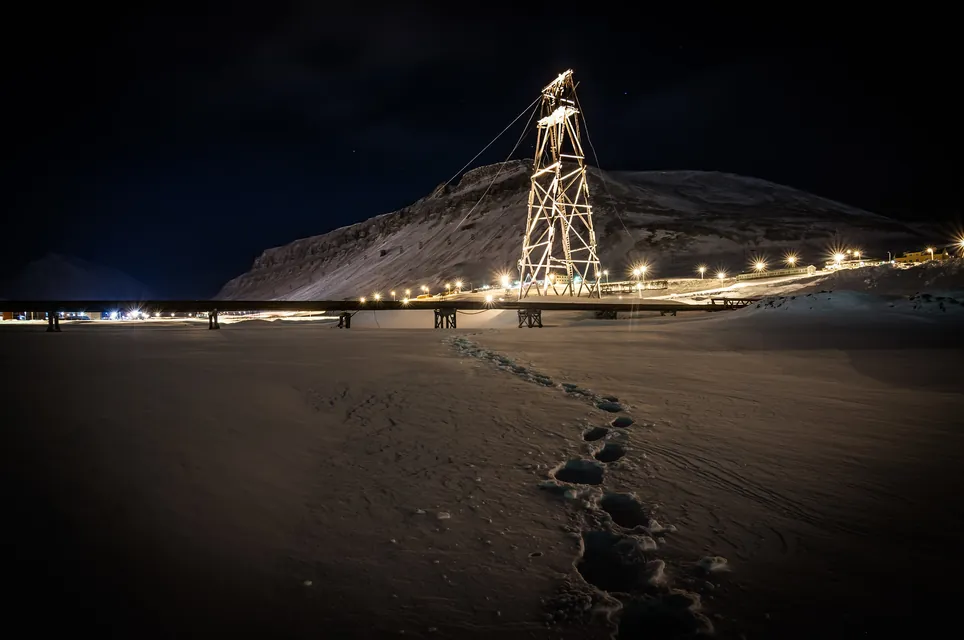
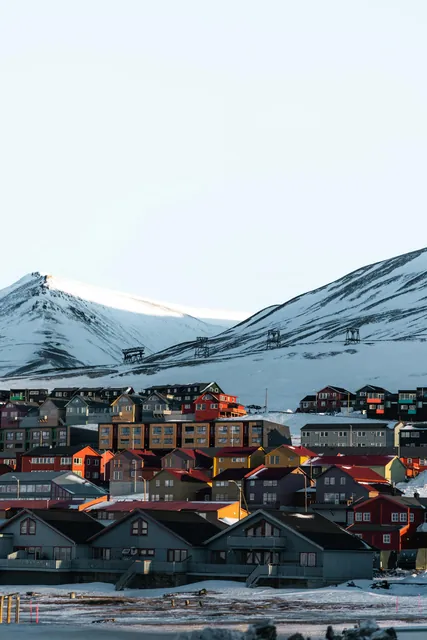
Longyearbyen is the world’s northernmost settlement with a permanent population of over 1,000 people. Located on the island of Spitsbergen in the Svalbard archipelago, at 78°N it sits far closer to the North Pole than to mainland Norway. This extreme latitude makes it a unique destination for aurora viewing, particularly during the polar night when weeks of continuous darkness provide round-the-clock opportunities to see the Northern Lights.
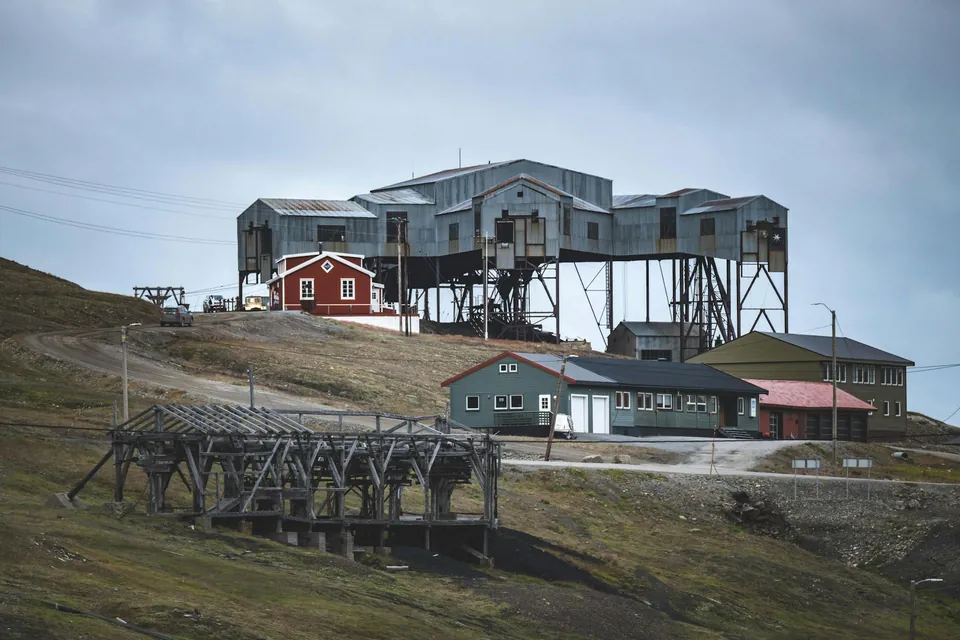
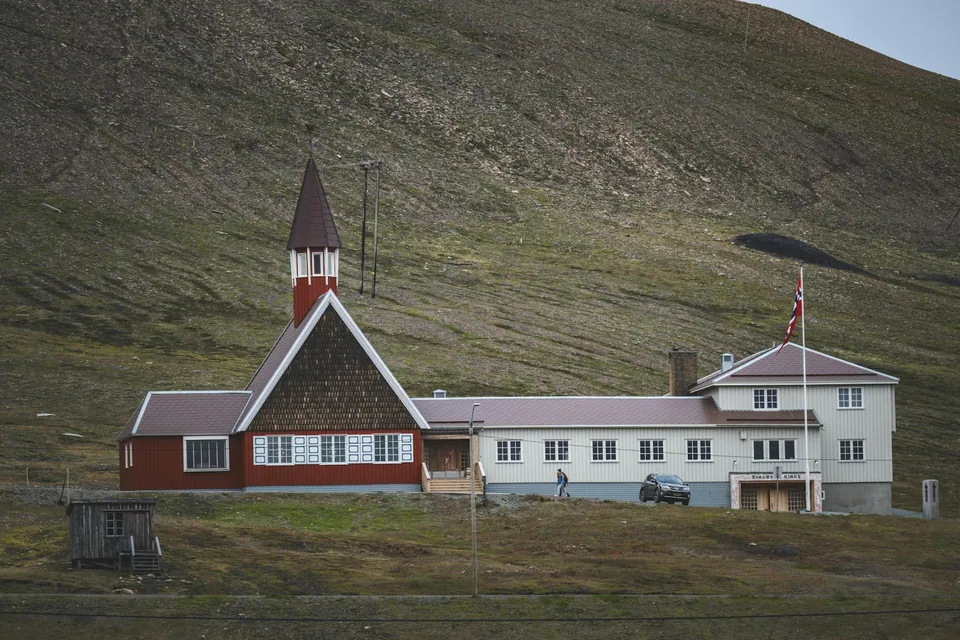
The town is surprisingly well equipped for its remote location. A small selection of restaurants, hotels and a handful of bars serve both residents and visitors, and the university centre (UNIS) gives the town an academic character. The Svalbard Museum offers an excellent overview of the archipelago’s history, from whaling and trapping to coal mining and modern Arctic research.
The landscape around Longyearbyen is stark and treeless, with glaciated mountains, frozen fjords and vast open tundra. In winter this becomes a playground for snowmobile excursions, dog sledding and glacier hikes. It’s worth noting that polar bears inhabit the area, so venturing outside the town boundaries requires a guide with a rifle or carrying one yourself. Don’t forget to pay a visit to the famous Polar Bear Sign.
Getting to Longyearbyen is straightforward despite the remoteness. Regular flights operate from Oslo and Tromsø, and the airport is just a few minutes from the town centre. The combination of extreme Arctic environment, polar night and genuine frontier atmosphere makes Longyearbyen unlike anywhere else on this list.
-
Credit: Christer van der Meeren
-
Credit: Francesco Ungaro
-
Credit: Francesco Ungaro
-
Credit: Tomáš Malík
-
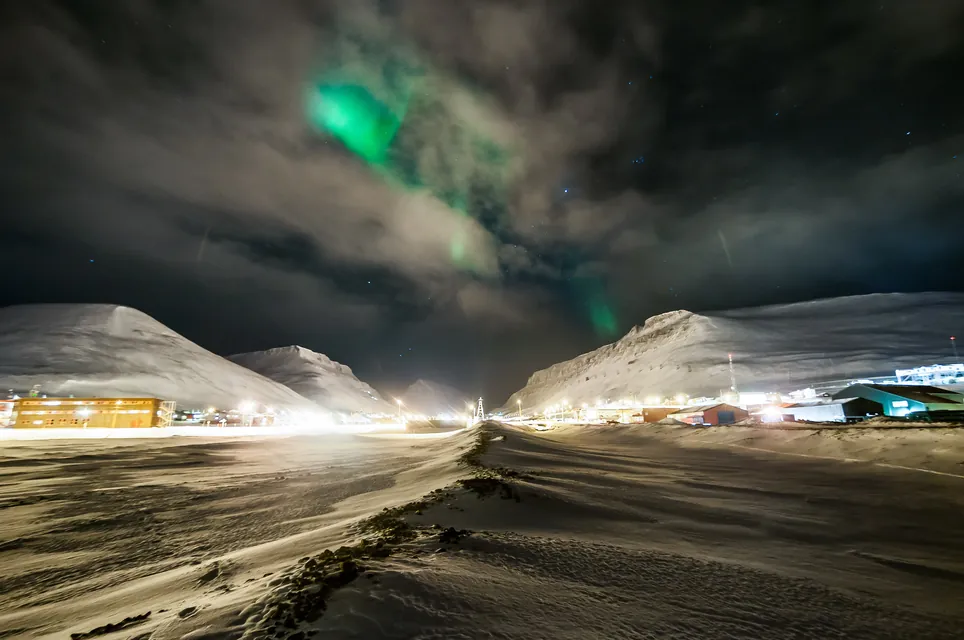
Credit: Christer van der Meeren
-
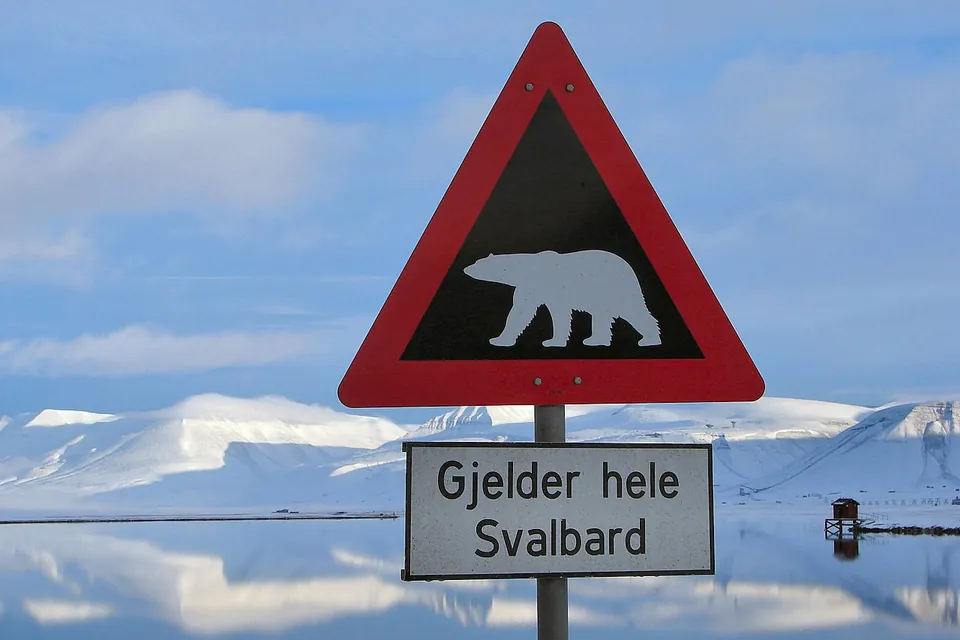
Credit: Bjørn Christian Tørrissen
-
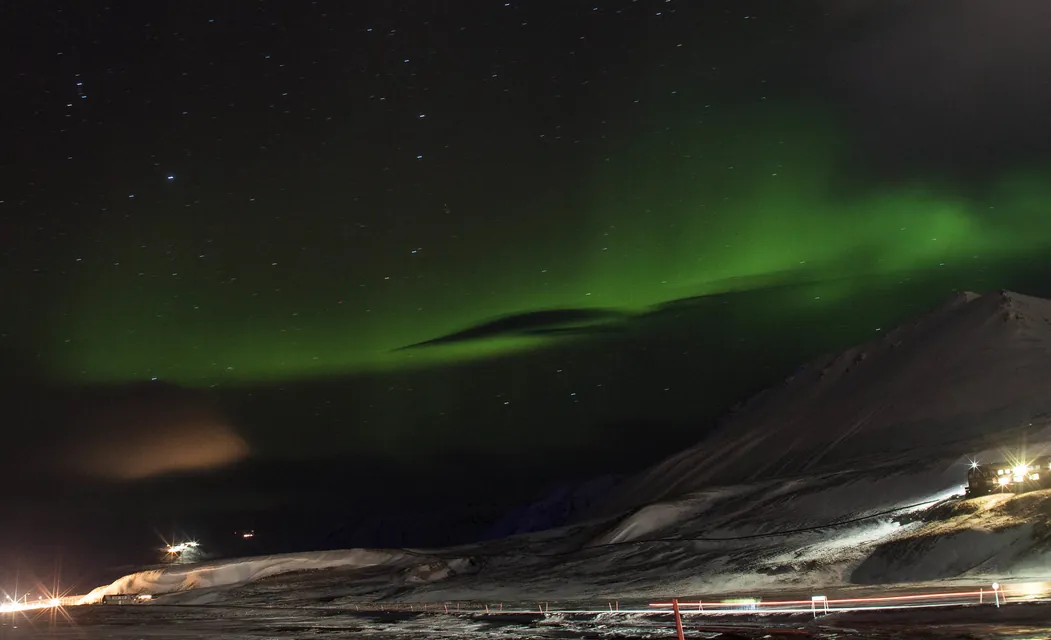
Credit: Martyn Smith
-
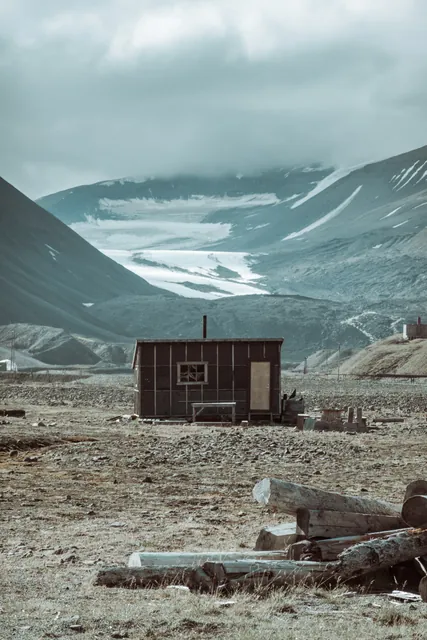
Credit: Sebastian Bjune
How are my chances of seeing the aurora today?
Many factors contribute to your likelihood of viewing the aurora in Longyearbyen. Geomagnetic activity, cloud cover and the amount of ambient light all play a big part. Check the forecasts for how good the viewing conditions are today.
Aurora Probability and Atmospheric Conditions
1%
There is a 1% chance of seeing the aurora overhead in the Longyearbyen area (forecast for 11 October 2026 at 11:03pm UTC)
Kp 1.67
The Kp-index is a scale used to measure geomagnetic activity. It ranges from 0 to 9, with higher values indicating greater geomagnetic activity.
- 0-2 (Very low) Far north, quite dim, and not very active.
- 3-5 (Moderate) Can be seen further south, with increased brightness and activity. Chance of good viewing conditions nearer the pole.
- 6-7 (High) Visible in many northern regions, with vibrant displays.
- 8-9 (Extreme) Widespread visibility, often seen in areas much further south than usual, with intense and colorful displays.
HPI 12 GW
The Hemispheric Power Index (HPI) is a vital measure used to assess the strength of auroral activity at the poles. It estimates the total auroral energy input, with values above 20 GW indicating an aurora-active state. When the HPI reaches levels of 100 GW or more, it signifies a very significant geomagnetic storm, which can lead to spectacular auroral displays.
Bz 0 nT
Bz refers to the north-south orientation of the magnetic field embedded in the solar wind. It is measured in nanoteslas (nT).
When Bz is negative (southward), it allows solar wind particles to penetrate the Earth’s magnetic field more easily. A strong negative Bz is often associated with increased chances of seeing the Northern Lights.
Conversely, when Bz is positive (northward), the Earth’s magnetic field tends to block the solar wind, resulting in reduced aurora activity.
Bt 6 nT
Bt measures the overall power of the Interplanetary Magnetic Field (IMF) from the Sun; higher numbers (e.g., above 20 nT) mean more energy available for aurora.
Density 0.63 p/cm3
Solar wind density refers to the number of charged particles in a given volume of the solar wind, typically measured in particles per cubic centimetre (p/cm3).
A typical solar wind density is around 2.76 p/cm3.
The density of the solar wind affects how many particles reach the Earth’s magnetosphere. A higher density means more particles are available to interact with the Earth’s magnetic field. When these charged particles collide with the gases in the Earth’s atmosphere, energy is released in the form of light that we see as the aurora.
Speed 512.0 km/s
Solar wind speed refers to the velocity at which charged particles are ejected from the Sun’s outer atmosphere, known as the corona.
A typical solar wind speed is about 375 km/s. When both speed and density are high, the energy transferred to the Earth’s magnetosphere increases, enhancing the chances of seeing vibrant auroras.
Light Levels
Moon
Waxing crescent 12%
Sunrise 8:56am
Sunset 4:31pm
Weather Forecast for Longyearbyen
Snow
-1°C Feels like -3°C
- High
- 2°C
- Low
- -2°C
-
Chance of precipitation 100%
-
Cloud cover 95%
-
Southerly winds 7 km/h gusts of 10 km/h
-
Snow 8 mm
Aurora season in Longyearbyen
The aurora season in Longyearbyen runs from October to February. The best viewing conditions are in the peak months of November, December and January.
Book an amazing adventure in Longyearbyen
Explore this selection of tours and activities to make the most of your visit to Longyearbyen.
-

From Longyearbyen photo tour: Mysterious Barentsburg
No reviews
10 hours From £910.07
What makes this tour unique is that it's catered to photographers and adventurers in that your private guide is more than just a tour guide – they’re a certified photographer and able to, apart from just showing you the sights, help you compose the perfect photograph in terms of composition, aperture, what lense to use and so forth. Add to that your certified photographer Photo Exploring guide will be together with you the whole day.
-

Svalbard Discover the Mining Settlement of Pyramiden
3.7 (3)
8 hours From £910.07
What makes this tour unique is that it's catered to photographers and adventurers in that your private guide is more than just a tour guide – they’re a certified photographer and able to, apart from just showing you the sights, help you compose the perfect photograph in terms of composition, aperture, what lense to use and so forth. Add to that your certified photographer Photo Exploring guide will be together with you the whole day.
-

Explore the Legendary Town of Longyearbyen
4.7 (3)
3 hours From £211.34
You’ll be picked up at your hotel by a local, experienced guide that will show you not only this fascinating town, but some of their favorite photography motifs as well. On this relaxing walking tour you’ll get intimate knowledge of off-the-beaten-path vistas and wind up with an unparalleled experience offered by no other services - in that ours is not just a tour of the city, but a tour based on photography. From late October to mid-February, Longyearbyen is wrapped in the magic of the polar night. Though the sun doesn’t rise, the soft blue twilight and snow-covered landscape create an unforgettable setting—perfect for capturing the northern lights and the unique Arctic atmosphere. During this period of time expect crisp, cold weather, typically between -13°C and -25°C (9°F to -13°F). The chill is part of the adventure—and with the right warm layers and sturdy winter boots, you’ll be comfortable and fully able to enjoy the serene beauty of the Arctic
-

Longyearbyen:Global Seed Vault Exterior In-depth Tour 2h
3.0 (2)
2 hours From £138.02
** Please note: Visits are restricted to the exterior of the seed vault. The inside of the global seed vault is not a tourist attraction, and entry is strictly prohibited to everyone. 1. Marvel at the Svalbard Global Seed Vault from a prime vantage point. 2. Spend enough time at the Global Seed Vault to capture the perfect photos. 3. Learn about Arctic life, from permafrost challenges to thriving at 78° North. 4. Stay warm in a modern taxi while the Arctic landscape unfolds outside.
-

Private Shore Tour: Northern Lights Chase by Snowcat
No reviews
2 hours From £682.34
Embark on a thrilling chase for the Northern Lights on this unforgettable snowcat adventure. Leaving the lights of Longyearbyen behind, your journey takes you into the vast, dark wilderness of Svalbard. As you travel over the frozen Adventdalen Valley, your guide will make several stops to hunt for the Northern Lights, offering you the best chance to witness this mesmerizing natural spectacle. While the experience of traveling through the pristine Arctic wilderness is awe-inspiring in itself, we advise dressing warmly so you can enjoy the stops and the stunning silence of Svalbard’s remote landscape.
-

Svalbard Summer Micro Cruise Private 8 Day Tour
5.0 (1)
8 days From £12939.42
We are a micro cruising company. With only 12 guests on board our departures, we have the ability to go where other larger ships do not. This small presence is sustainable and limits disturbance to wildlife and the environment.
Places to check out around Longyearbyen
Discover Restaurants, Mountains, Museums and more…
-

Café Huskies
Café
-
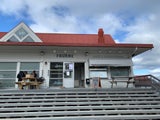
Fruene
Café
-
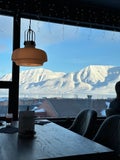
Funktionærmessen
Scandinavian Restaurant
-

Gruvelageret
Modern European Restaurant
-

Huset
Scandinavian Restaurant
-

Karlsberger Pub
Pub
-
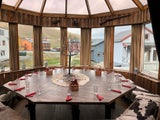
Kroa
Pub
-
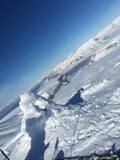
Lars Hiertafjellet (783 m)
Mountain
-
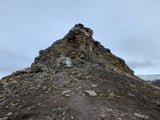
Lindholmhøgda
Mountain
-
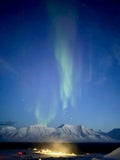
Longyearbyen Camping
Campground
-

Mary-Anns polarrigg
Restaurant
-
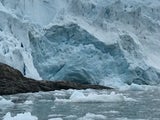
Nordenskiöldfjellet (1053 m)
Mountain
-

North Pole Expedition Museum
History Museum
-

Nuga
Sushi Restaurant
-
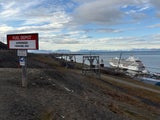
Platafjellet
Mountain
-
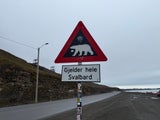
Polar Bear Sign
Monument
-
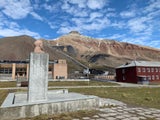
Pyramiden
Village
-
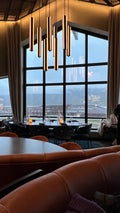
Restaurant Nansen
Scandinavian Restaurant
-

Restaurant Polfareren
Scandinavian Restaurant
-

Saenphet Thai
Thai Restaurant
-
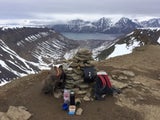
Sarkofagen (500 m)
Mountain
-

Spitsbergen Airship Museum
Museum
-
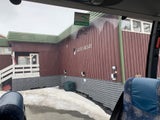
Spitsbergen Artists Center
Art Gallery
-

Stationen
Scandinavian Restaurant
-
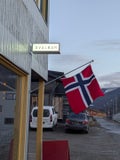
Svalbar
Bar
-

Svalbard Bryggeri
Brewery
-
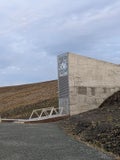
Svalbard Global Seed Vault
Structure
-
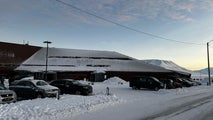
Svalbard Museum
History Museum
-
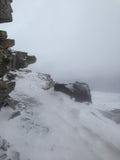
Trollsteinen (850 m)
Mountain
-
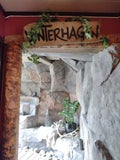
Vinterhagen Restaurant
Seafood Restaurant
Explore more nearby Longyearbyen
Get off the beaten track, these nearby destinations also offer opportunities to see the Northern Lights and are within easy reach of Longyearbyen.
-
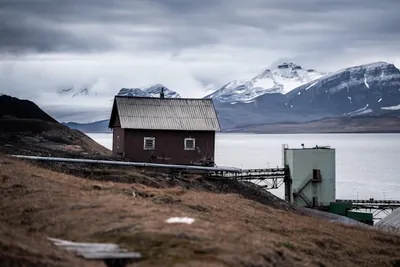
Credit: Chris-Håvard Berge
Barentsburg
78°3'59"N, 14°12'59"E
Aurora probability in Barentsburg: 1%
The Russian mining village of Barentsburg offers a unique glimpse into Arctic life, with its Soviet-era architecture and rich history set against the spectacular backdrop of Isfjorden.
-
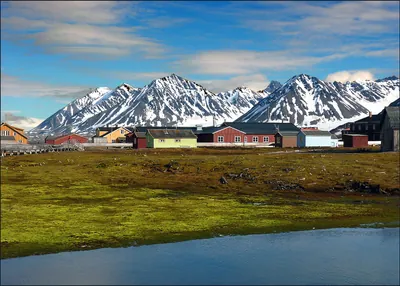
Credit: patano
Ny-Ålesund
78°54'59"N, 11°55'59"E
Aurora probability in Ny-Ålesund: 0%
Ny-Ålesund, the world’s northernmost permanent settlement, is a research hub surrounded by stunning Arctic landscapes, attracting scientists and adventurers with its unique environment and historical significance.
-
Credit: Sebastian Bjune
Pyramiden
78°40'59"N, 16°23'59"E
Aurora probability in Pyramiden: 0%
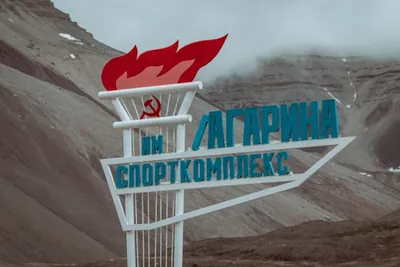
Pyramiden, one of the world’s most famous ghost towns, offers a haunting glimpse into the past with its abandoned Soviet-era buildings and striking surroundings, attracting adventurous travellers eager to explore its unique history.