Seeing the Northern Lights, or Aurora Borealis, is an experience many dream of, but the aurora is not always easy to find. Follow these tips to maximise your chances.
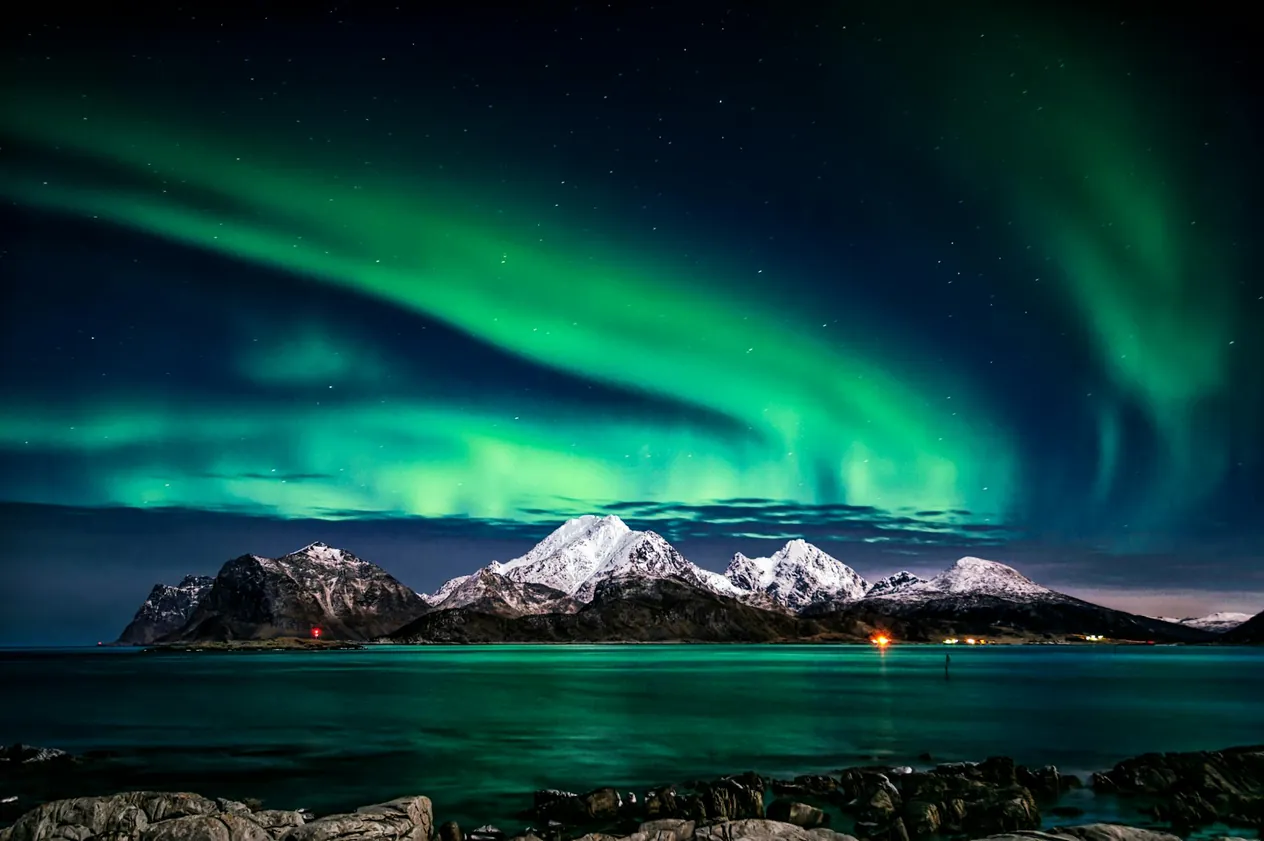
Credit: stein egil liland
Choose the Right Time
The best time to chase the Northern Lights is during the long, dark nights of the winter months, typically from September to April. This is when the auroral displays are most frequent and intense, thanks to the extended darkness and increased solar activity. However, the ideal window for viewing can vary slightly depending on your chosen location. For example, in northern Norway, the optimal period might be from October to March, while in Alaska, it could be from August to April. To maximise your chances, research the specific timeframe for peak aurora activity at your chosen destination.
Check for solar activity forecasts (the auroras are more vibrant during periods of high solar activity) and check how bright the moon will be.
Select the Right Location
To truly immerse yourself in the magic of the Northern Lights, you need to choose a location that offers both dark skies and a high probability of auroral activity. While many destinations boast stunning displays, some stand out as prime viewing spots. The Arctic Circle is a natural starting point, with places like Norway, Iceland, Finland, Sweden, Canada and Alaska offering incredible opportunities. Within these regions, consider factors like light pollution, weather patterns and local infrastructure. For instance, Tromsø in Norway is renowned for its reliable auroral displays and well-developed tourism infrastructure. Similarly, Fairbanks in Alaska offers a unique blend of wilderness and accessibility. The best location depends on your preferences and travel style, so research different destinations before deciding.
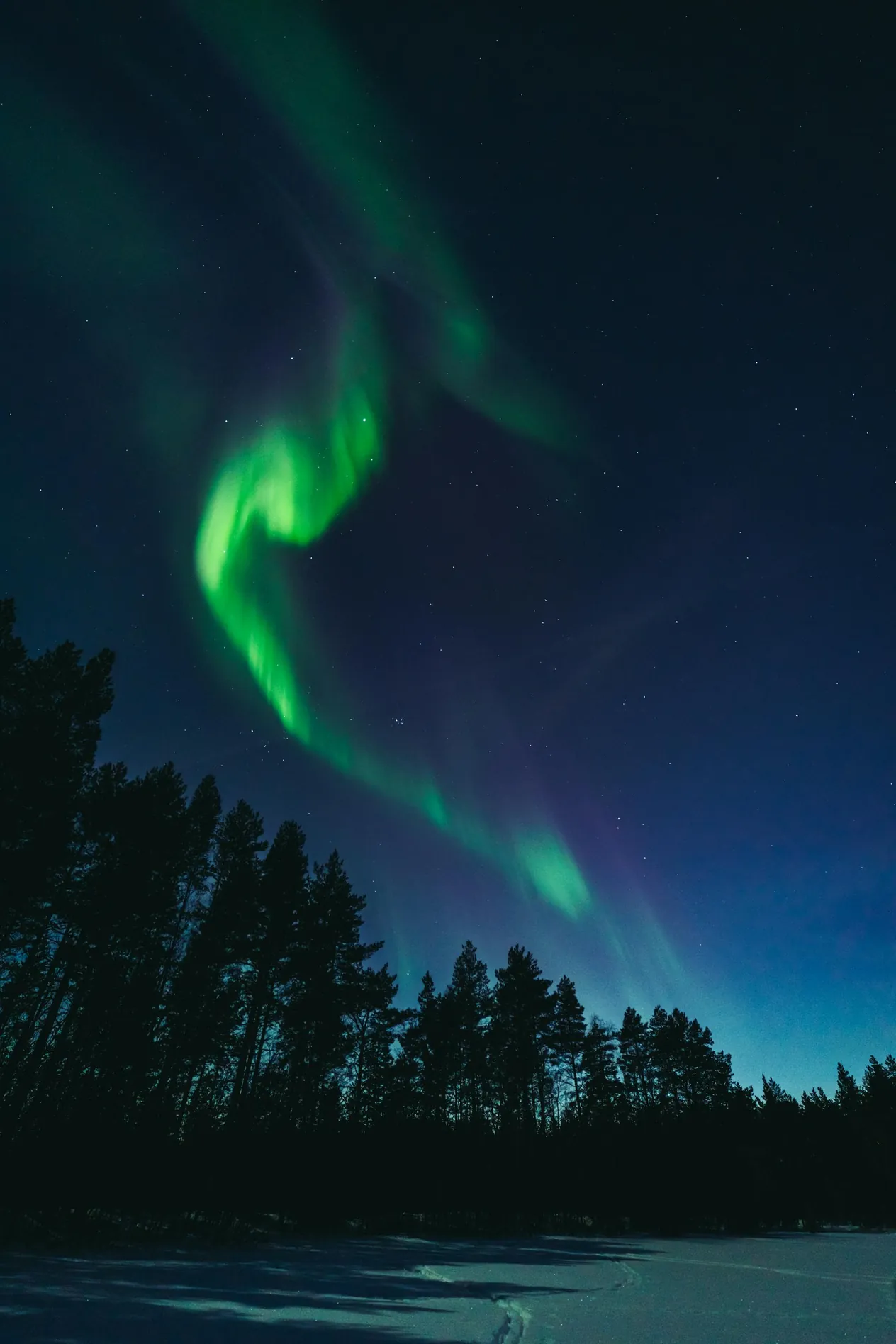
Credit: Joni Tuohimaa
Check the Weather
To best view the Northern Lights, you need to be under a sky that’s both clear and dark. You need clear skies with minimal cloud cover and a location away from city lights. Colder temperatures tend to bring drier air and clearer skies, which helps. Wrap up warm and be prepared to spend time outside.
Be Patient and Flexible
You’ll need to be prepared to stay up late, the best time to see the lights is usually between 10pm and 2am. Be prepared to wait, as even if the conditions are good the auroras can be unpredictable.
If you’re travelling specifically to see the aurora it’s best to plan for at least 4 to 5 nights in your chosen location to increase your chances of seeing the lights.
Consider a Guided Tour
Seek out expert guidance. Joining a guided tour can enhance your experience. Local guides know the best spots and can provide insights about the auroras. This may be particularly key in places such as Longyearbyen where you are not permitted to leave the town without someone in your group having a gun. Our site offers lots of potential excursions for each of the locations we cover. While waiting for the lights, why not take advantage of other activities like dog sledding, snowshoeing or visiting local attractions.
Dress Appropriately
Bundle Up: Temperatures can drop significantly at night. Consider parkas from brands such as Fjällräven and The North Face, for example the Nuuk Parka (mens), Nuuk Parka (womens) or the McMurdo Parka (mens) and wear layers, including thermal underwear, a warm coat, gloves and a hat to stay comfortable while you wait.
Stay Positive
Even if you don’t see the lights, the experience of being in a beautiful, remote location can be rewarding in itself. Leave No Trace. Be mindful of the environment. Follow local guidelines to preserve the natural beauty of the areas you visit.
Enjoy the journey
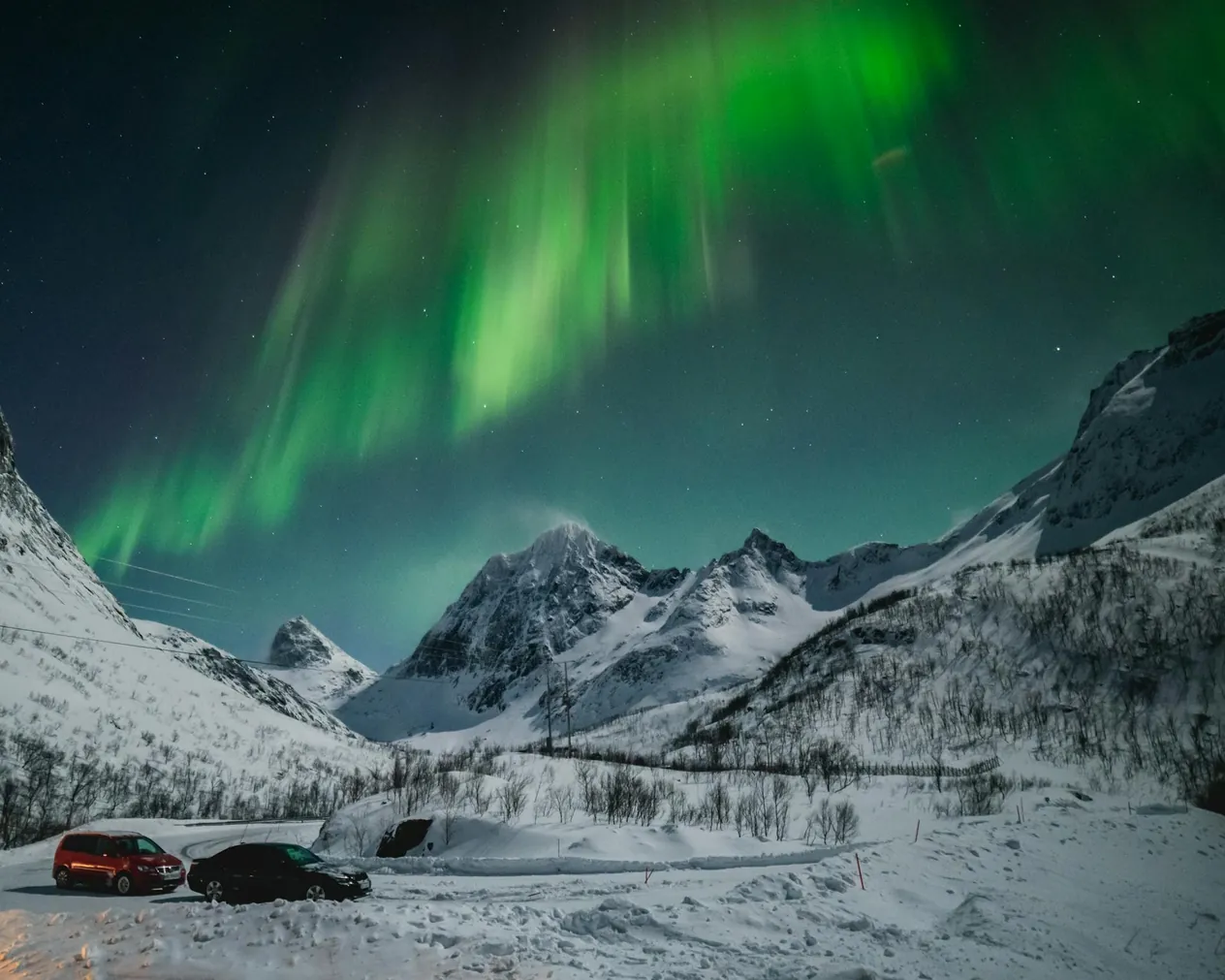
Credit: Tobias Bjørkli
Frequently Asked Questions
- How many nights should I stay to see the Northern Lights?
- We recommend at least 3-4 nights in your chosen location. A single clear night gives you roughly a 30-50% chance of seeing the aurora, but over three clear nights your odds rise to around 80-90%. A full week is even better, as it gives you a buffer for cloudy nights and quiet geomagnetic periods.
- What is the best time of night to see the Northern Lights?
- The aurora is most active around magnetic midnight, which typically falls between 10pm and 2am local time. However, during strong geomagnetic storms the lights can appear much earlier in the evening or persist until dawn. Be prepared to stay up late, and check the forecast regularly through the night.
- Do I need to leave the city to see the aurora?
- For the best experience, yes. Light pollution from towns and cities washes out fainter displays, making the aurora harder to see. Getting even 10-20 km outside a town can make a significant difference. That said, during strong storms (Kp 6+) the aurora can be bright enough to see from urban areas.
- Can I see the Northern Lights with my eyes or only with a camera?
- Both, but cameras are more sensitive than the human eye. During weaker displays you may see a faint grey-green glow that appears much more vivid in photographs. Strong displays (Kp 5+) are clearly visible to the naked eye with bright greens, and sometimes reds and purples. Give your eyes 15-20 minutes to adapt to the darkness for the best results.
- What should I wear for aurora watching?
- Dress for standing still in sub-zero temperatures for extended periods. Layer up with thermal base layers, a warm mid-layer (fleece or down) and a windproof outer shell. Insulated boots, thick gloves and a warm hat are essential. Hand and toe warmers can help on the coldest nights. Temperatures in Arctic locations regularly drop to -15°C or colder in winter, and it feels much colder when standing still.
- Is a guided tour worth it?
- Guided tours are a good option, especially for first-time visitors. Local guides know the best viewing spots, monitor weather and forecasts constantly and will drive you to wherever conditions are clearest. This is particularly valuable in places with variable weather like Tromsø or Reykjavík, where the guide may drive an hour or more to escape cloud cover. In Longyearbyen a guide is essential, as you cannot leave the town without someone carrying a rifle due to polar bears.
- Can I see the Northern Lights from a plane?
- Yes, if conditions are right. Night flights at high latitudes during geomagnetic storms sometimes offer views of the aurora from above the clouds. Choose a window seat on the north-facing side of the aircraft. Some airlines on Arctic routes dim cabin lights and make announcements when the aurora is visible.