Churchill
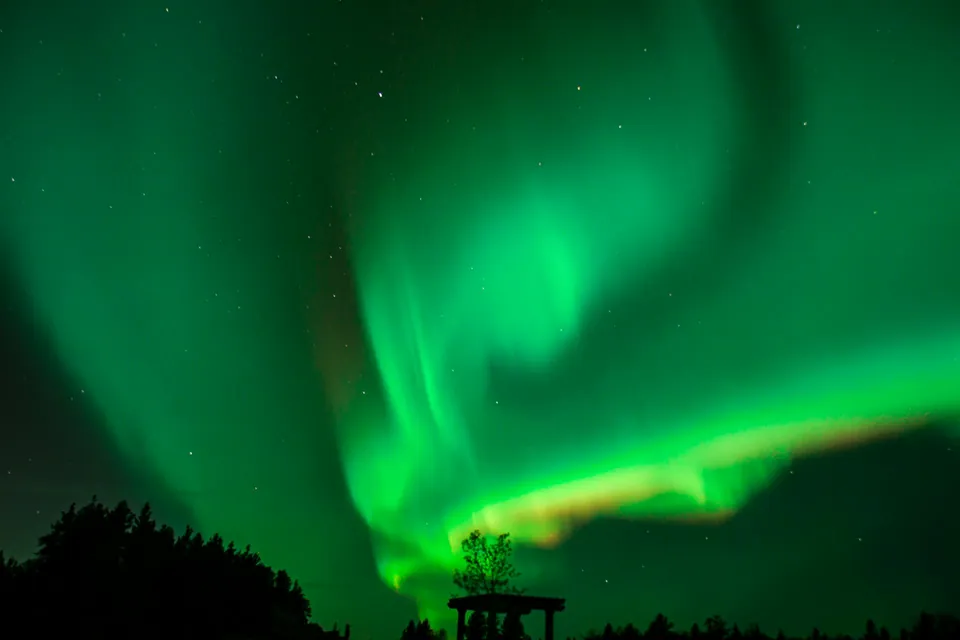
Churchill is a remote town of around 900 people on the western shore of Hudson Bay in northern Manitoba, at 59°N. It’s one of the few places in the world where aurora viewing, polar bear encounters and beluga whale watching can all be experienced from the same base. The town sits beneath the auroral oval, and its isolated position far from any other settlement means virtually zero light pollution.
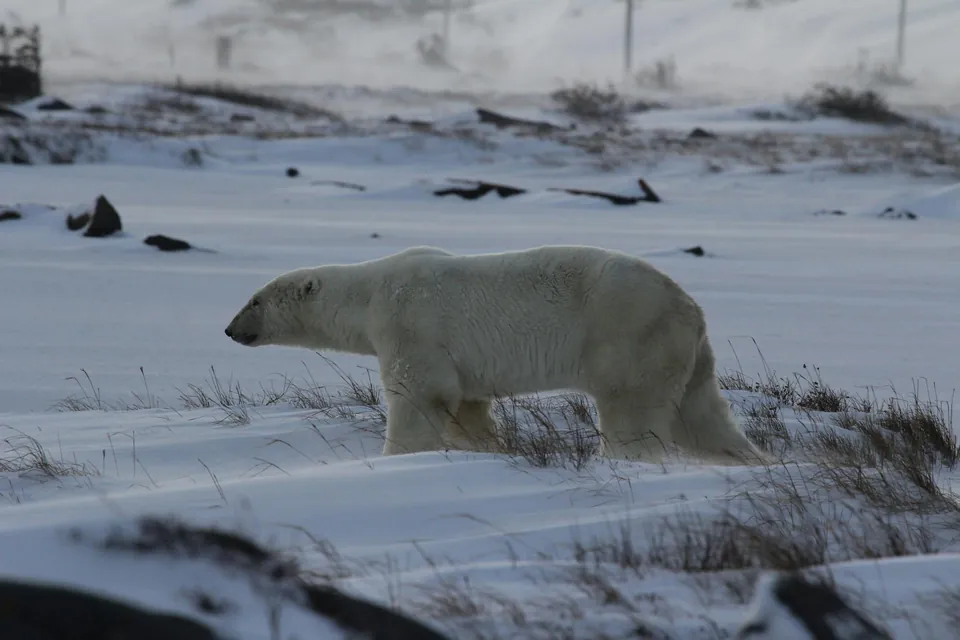
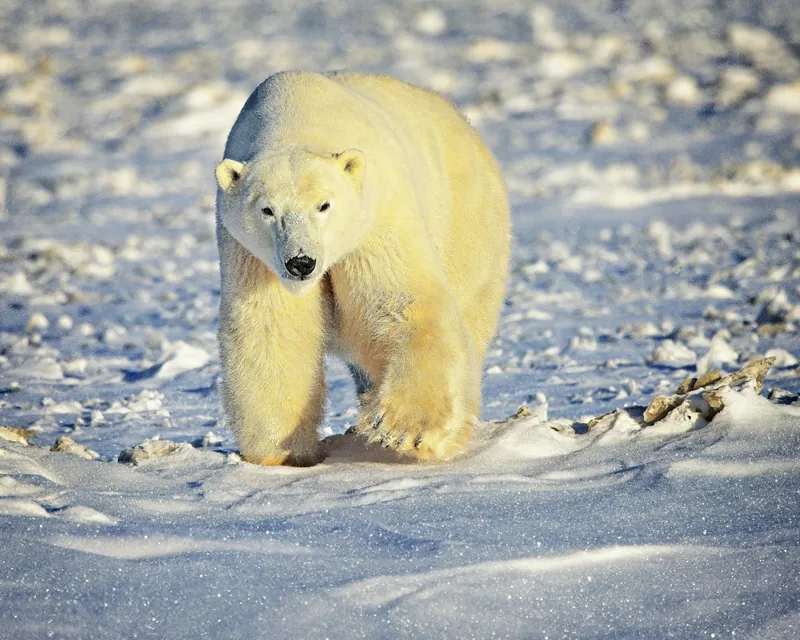
Churchill is best known as the polar bear capital of the world. Each autumn, hundreds of polar bears gather along the coast waiting for Hudson Bay to freeze, and specially designed tundra buggies take visitors out to see them at close range. In summer, thousands of beluga whales congregate in the Churchill River estuary, kayaking and boat trips among them are a remarkable experience. The aurora season bridges both wildlife seasons, with Northern Lights visible from late August through to April.
The town itself is small and functional rather than picturesque, but it has a handful of hotels, restaurants and the excellent Parks Canada Visitor Centre covering the region’s natural and human history, including the Hudson’s Bay Company trading post era and the area’s significance to the Cree and Dene peoples. The Prince of Wales Fort, a partially restored 18th-century stone fortress across the river, is accessible by boat in summer.
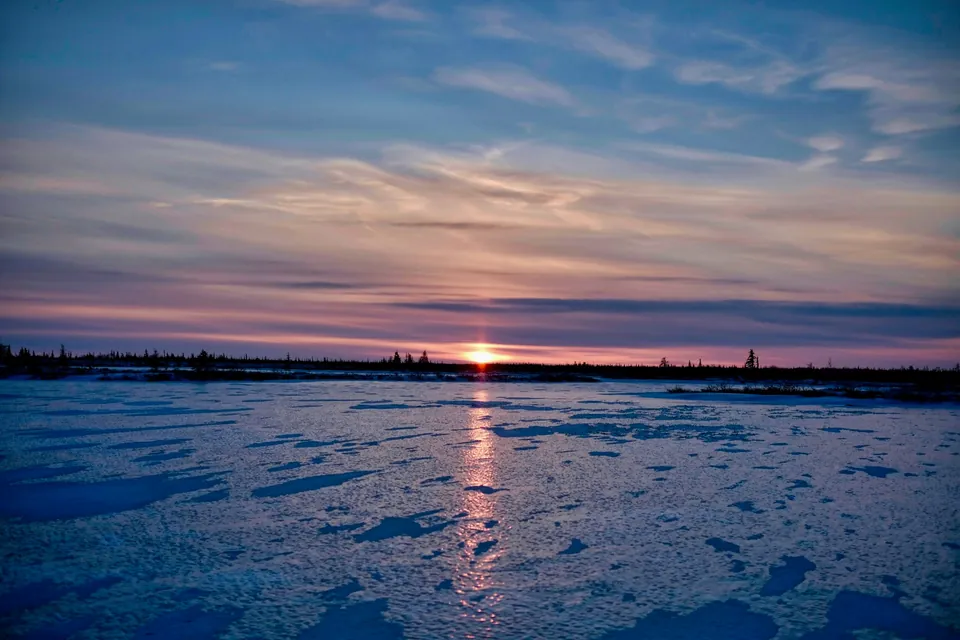
Getting to Churchill requires some commitment. There are no roads, access is by air (flights from Winnipeg) or by rail on the Hudson Bay Railway, a two-night journey from Winnipeg that passes through boreal forest, muskeg and tundra. The remoteness is part of the appeal, and it means the night sky is spectacularly dark. For those willing to make the trip, Churchill offers a combination of wildlife and aurora that is genuinely difficult to find anywhere else.
-
Credit: Trang Pham
-
Credit: Brian Hydesmith
-
Credit: Sridhar Chilimuri
-
Credit: Robert Sachowski
-
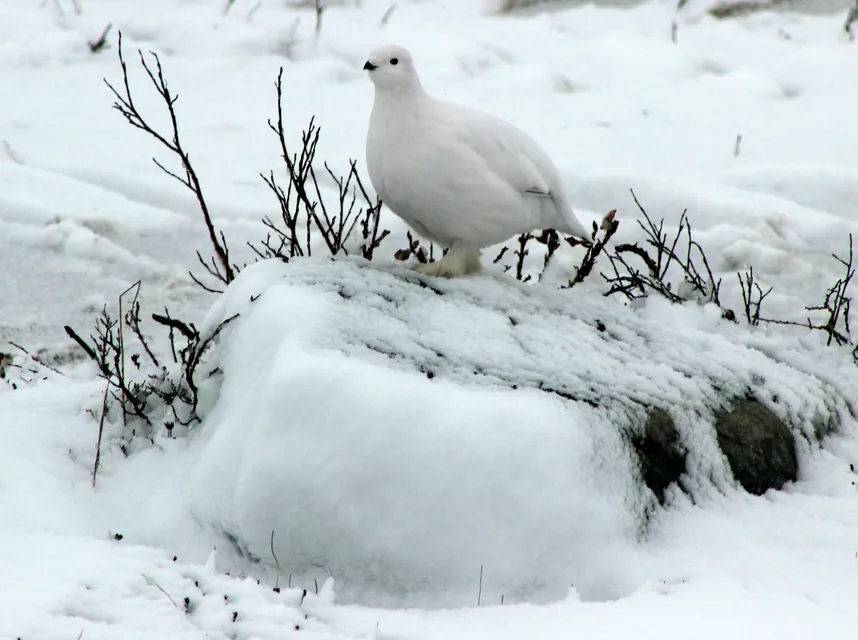
Credit: Dan Bolton
How are my chances of seeing the aurora today?
Many factors contribute to your likelihood of viewing the aurora in Churchill. Geomagnetic activity, cloud cover and the amount of ambient light all play a big part. Check the forecasts for how good the viewing conditions are today.
Aurora Probability and Atmospheric Conditions
1%
There is a 1% chance of seeing the aurora overhead in the Churchill area (forecast for 17 September 2026 at 4:10pm UTC)
Kp 3.00
The Kp-index is a scale used to measure geomagnetic activity. It ranges from 0 to 9, with higher values indicating greater geomagnetic activity.
- 0-2 (Very low) Far north, quite dim, and not very active.
- 3-5 (Moderate) Can be seen further south, with increased brightness and activity. Chance of good viewing conditions nearer the pole.
- 6-7 (High) Visible in many northern regions, with vibrant displays.
- 8-9 (Extreme) Widespread visibility, often seen in areas much further south than usual, with intense and colorful displays.
HPI 17 GW
The Hemispheric Power Index (HPI) is a vital measure used to assess the strength of auroral activity at the poles. It estimates the total auroral energy input, with values above 20 GW indicating an aurora-active state. When the HPI reaches levels of 100 GW or more, it signifies a very significant geomagnetic storm, which can lead to spectacular auroral displays.
Bz 0 nT
Bz refers to the north-south orientation of the magnetic field embedded in the solar wind. It is measured in nanoteslas (nT).
When Bz is negative (southward), it allows solar wind particles to penetrate the Earth’s magnetic field more easily. A strong negative Bz is often associated with increased chances of seeing the Northern Lights.
Conversely, when Bz is positive (northward), the Earth’s magnetic field tends to block the solar wind, resulting in reduced aurora activity.
Bt 4 nT
Bt measures the overall power of the Interplanetary Magnetic Field (IMF) from the Sun; higher numbers (e.g., above 20 nT) mean more energy available for aurora.
Density 2.33 p/cm3
Solar wind density refers to the number of charged particles in a given volume of the solar wind, typically measured in particles per cubic centimetre (p/cm3).
A typical solar wind density is around 2.76 p/cm3.
The density of the solar wind affects how many particles reach the Earth’s magnetosphere. A higher density means more particles are available to interact with the Earth’s magnetic field. When these charged particles collide with the gases in the Earth’s atmosphere, energy is released in the form of light that we see as the aurora.
Speed 448.4 km/s
Solar wind speed refers to the velocity at which charged particles are ejected from the Sun’s outer atmosphere, known as the corona.
A typical solar wind speed is about 375 km/s. When both speed and density are high, the energy transferred to the Earth’s magnetosphere increases, enhancing the chances of seeing vibrant auroras.
Light Levels
Moon
Waxing crescent 44%
Sunrise 6:50am
Sunset 7:32pm
Moonrise 4:18pm
Moonset 8:24pm
Weather Forecast for Churchill
Rain
6°C Feels like 1°C
- High
- 6°C
- Low
- 5°C
-
Chance of precipitation 100%
-
Cloud cover 52%
-
Northerly winds 14 km/h gusts of 16 km/h
-
Rain 17 mm
Aurora season in Churchill
The aurora season in Churchill runs from September to April. The best viewing conditions are in the peak months of October, February and March.
Book an amazing adventure in Churchill
Explore this selection of tours and activities to make the most of your visit to Churchill.
-

Tundra Buggy Autumn Day Tours
4.3 (15)
8 hours From £376.27
See polar bears in the wild — a once-in-a-lifetime opportunity — on a Tundra Buggy Adventure day tour! This memorable tour is designed for people who are already staying in the town of Churchill, nicknamed the Polar Bear Capital of the World due to the many bears that migrate into the area each year. On board a Tundra Buggy, a safe, specially designed wildlife-viewing vehicle, you’ll traverse the open tundra with an expert guide, searching for polar bears and other wildlife like arctic foxes. Lunch and refreshments are included.
Places to check out around Churchill
Discover Restaurants, Nature Preserves, Scenic Lookouts and more…
-
Arctic Trading Company
Arts and Crafts Store
-
Aurora Domes
Roof Deck
-
Cape Merry
Scenic Lookout
-
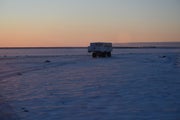
Churchill Northern Studies Centre
Structure
-
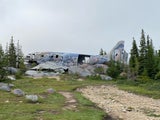
-
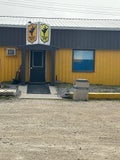
Dancing Bear Restaurant
American Restaurant
-
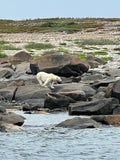
Hudson Bay
Nature Preserve
-
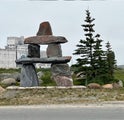
Inukshuk
Outdoor Sculpture
-
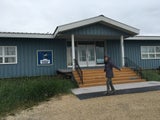
Itsanitaq Museum
Art Museum
-

Northern Images Gallery
Art Gallery
-
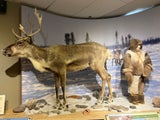
Parks Canada Visitor Centre
Tourist Information and Service
-
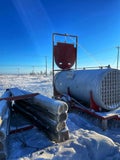
Polar Bear Holding Facility
Nature Preserve
-

Ptarmigan
Restaurant
-
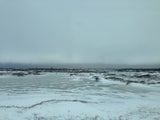
Rosabella Lake
Lake
-
Seaport Restaurant
Restaurant
-
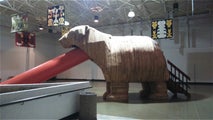
Towne Centre Complex
Arts and Entertainment
-

Tundra Inn Pub
Gastropub
-
Wapusk National Park
National Park