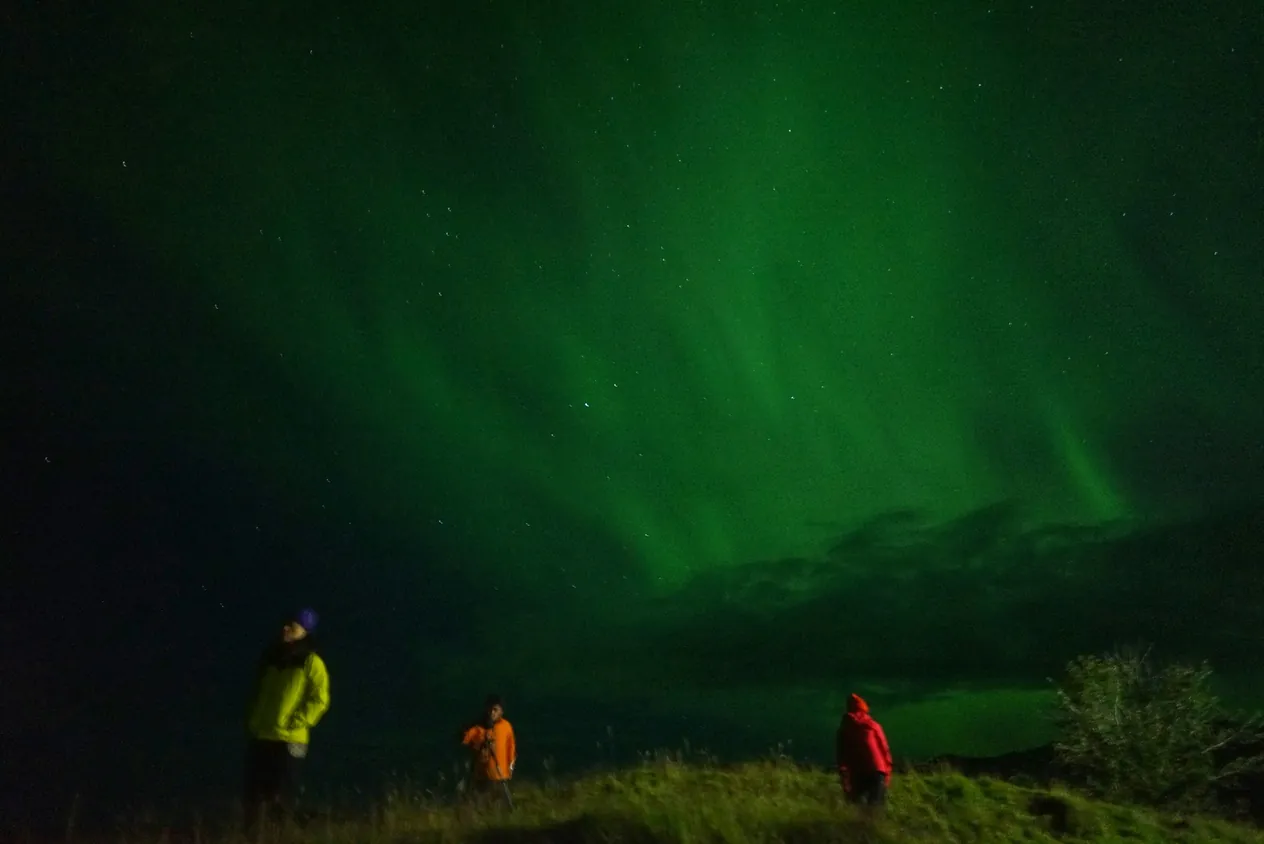
Taking children to see the Northern Lights is one of the great family adventures, but chasing the aurora with kids in tow brings its own challenges. Cold, late nights and long waits are a lot to ask of little ones. With the right planning, warm clothing and realistic expectations, a family aurora trip can be the holiday of a lifetime.
This guide covers the practical side of a family trip: how to keep everyone warm, what to pack and layer, how to handle late nights, and how to fill the daytime so the whole experience is magical rather than a test of endurance.
Credit: Tomás Robertson
Keeping children warm
Warmth is everything on an aurora trip, and it matters even more with children, who feel the cold faster and complain about it louder. Arctic winter temperatures regularly sit between -10°C and -30°C, and watching the aurora means standing or sitting still outdoors for long stretches, which feels far colder than moving around. A cold, miserable child will cut your night short, so getting this right is the single most important thing you can do.
The answer is layering. Dress everyone in three layers: a thermal base layer against the skin, a warm insulating mid-layer such as fleece or down, and a windproof, waterproof outer shell. Avoid cotton, which holds moisture and chills the body; merino wool and synthetic thermals are far better. Many aurora tour operators and hotels in Lapland lend out heavy thermal oversuits and boots for both adults and children, which can save you buying expensive kit your children will quickly grow out of, so check before you travel.
Don't forget the extremities
Cold hands, feet and faces end more aurora nights than anything else. Pack insulated, waterproof snow boots with thick thermal socks, warm mittens (warmer than gloves for small hands), a hat that covers the ears, and a neck gaiter or balaclava. Disposable hand and toe warmers that slip into mittens and boots are a small, cheap lifesaver on the coldest nights, and children love them.
Family packing checklist
For each child, pack: thermal base layers (top and bottom), a fleece or down mid-layer, a warm insulated coat and snow trousers (or a one-piece snowsuit for younger ones), insulated waterproof snow boots, thick thermal socks (bring spares), warm mittens, a hat covering the ears, a neck gaiter or balaclava, hand and toe warmers, a head torch with a red-light mode to protect night vision, and a flask for a warm drink. Pack snacks too: a hungry child gets cold quickly, and a treat makes the waiting fun.
Handling the late nights
The aurora is usually at its best between 10pm and 2am, well past most children's bedtimes. A little planning makes this manageable. Let children nap in the late afternoon or early evening so they have energy for a late night. Keep the first outing short to see how they cope, and build up from there. Warm hotel rooms, cabins or glass igloos with a view of the sky are worth the extra cost with children, as they let little ones rest or warm up indoors while an adult keeps watch, dashing out only when the lights appear.
Credit: shepherd
Make the daytime the main event
Here is the key to a happy family aurora trip: treat the Northern Lights as a wonderful bonus, not the whole purpose. The aurora is never guaranteed, and pinning a child's hopes entirely on it risks real disappointment. Arctic destinations are packed with daytime magic that children adore, so build the trip around those and let the lights be the cherry on top.
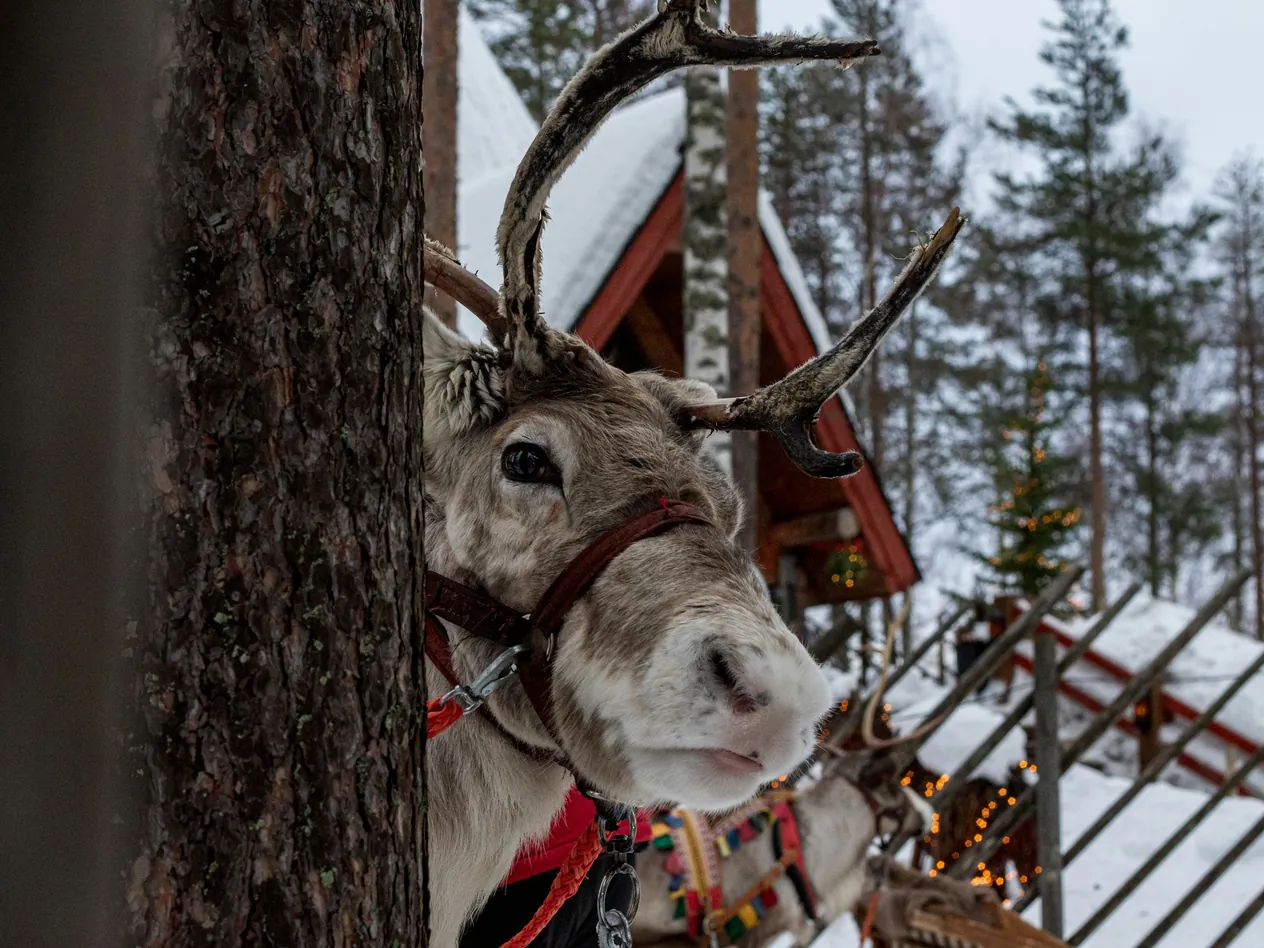
Husky sledding is a firm family favourite, as is meeting reindeer, snowshoeing, tobogganing and snowmobiling (with passenger sleds for younger children). In Finnish Lapland you can visit Santa Claus and cross the Arctic Circle, which is pure magic for younger children around Christmas. Many of our destination pages list family-friendly excursions; Rovaniemi, the official home of Santa Claus, and nearby Levi and Inari are especially geared up for families.
Keeping children engaged while you wait
Even with the best planning there will be waiting. Turn it into part of the adventure. Bring a flask of hot chocolate and snacks, build a snowman, make snow angels, or tell stories about the myths and legends of the aurora while you watch the sky. Older children often love being given a job, such as watching the forecast, spotting the first faint glow, or helping with the camera. Giving them a camera or letting them trigger the shutter can turn a long wait into a highlight.
Frequently Asked Questions
- What age is best for taking children to see the Northern Lights?
- There is no perfect age, and families enjoy aurora trips with children of all ages. Very young children will not remember the lights but still enjoy the snow and activities. Children from around five or six upwards can better handle the late nights and cold, and will remember the experience. The key is tailoring expectations and the length of outings to your children's ages.
- How do I keep my children warm while watching the aurora?
- Dress them in three layers: a thermal base layer, a warm insulating mid-layer, and a windproof, waterproof outer shell. Pay special attention to extremities with insulated snow boots, thick socks, warm mittens, an ear-covering hat and a neck gaiter. Hand and toe warmers help on the coldest nights. Many Lapland hotels and tour operators lend thermal suits and boots, so check before buying.
- How can I handle the late nights with young children?
- Let children nap in the late afternoon so they have energy for a late night, and keep early outings short. Accommodation with a clear view of the sky, such as a cabin or glass igloo, lets children rest or warm up indoors while an adult watches, so you only head out when the lights appear.
- What if the Northern Lights don't appear?
- Plan the trip around daytime activities such as husky sledding, meeting reindeer, snowmobiling and visiting Santa, and treat the aurora as a bonus. That way the holiday is a success whether or not the lights show. See our guide on what to do if the aurora doesn't appear for more ideas.
- Where is best for a family Northern Lights trip?
- Finnish Lapland is hugely popular with families, as it combines reliable aurora chances with Santa Claus, reindeer and husky experiences. Rovaniemi, Levi and Inari are all well set up for children. Tromsø in Norway and parts of Swedish Lapland are also excellent family choices.